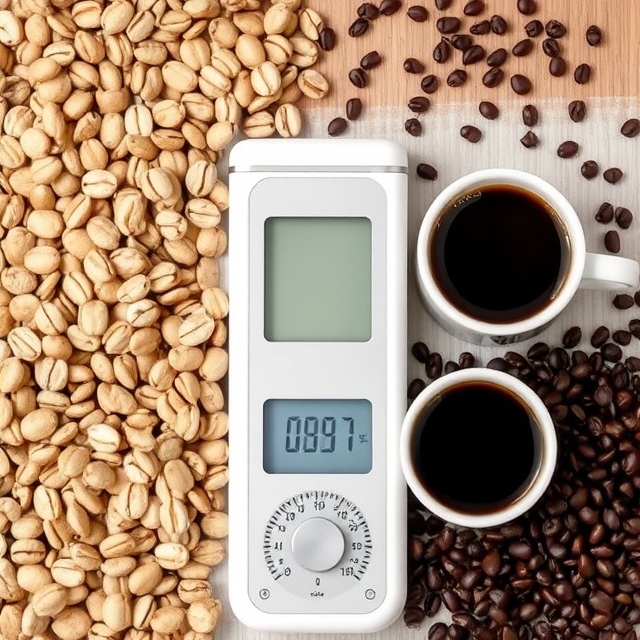
Does light roast have more caffeine than dark roast? The answer is more complicated than the color of the beans suggests. Roast level affects the physical characteristics, flavor, density, and appearance of coffee, but it is not a simple measurement of caffeine.
When comparing light and dark coffee, the amount of coffee used, how it is measured, the type of beans, and the brewing method can all influence the caffeine in the finished drink.
What Happens to Coffee During Roasting?
Coffee beans begin as green seeds that undergo major changes during roasting. Heat causes them to lose moisture, expand, change color, and develop new aromas and flavors.
A light roast is stopped earlier in the roasting process, so the beans generally remain denser and lighter in color. A dark roast is exposed to more heat and develops a darker appearance, more pronounced roasted flavors, and a different physical structure.
Caffeine, however, does not simply increase or decrease in proportion to roast darkness. That is why roast color alone cannot tell you exactly how much caffeine a cup contains.
Does Light Roast Have More Caffeine by Weight?
When coffee is compared by weight, the caffeine difference attributable solely to roast level is not as straightforward as many people assume.
Roasting changes the mass and density of the beans. Darker beans generally lose more moisture and become less dense, while lighter-roasted beans remain relatively dense.
Because of this, weighing the same mass of coffee provides a more consistent comparison than measuring both roasts with the same scoop.
For example, a fixed weight of light-roasted beans and the same weight of dark-roasted beans can contain broadly similar amounts of caffeine from the roasting process itself, while their physical characteristics and flavor can be quite different.
What If Coffee Is Measured by Volume?
Volume makes the comparison more complicated.
Imagine using the same tablespoon or scoop for two different roast levels. The scoop contains a different mass of beans because the beans have different densities.
This means a person using volume rather than weight may get a different amount of coffee from each roast.
That is one reason statements such as “light roast always has more caffeine” or “dark roast always has more caffeine” can be misleading. The answer depends partly on how the coffee is measured.
What Actually Affects Caffeine in a Cup?
Several variables can influence the caffeine delivered in a finished beverage.
Bean Type
Coffee species and varieties naturally differ in caffeine content. Arabica and Robusta, for instance, have different typical caffeine characteristics.
Therefore, bean selection can be important when comparing two coffees, even when their roast levels are similar.
Amount of Coffee Used
Using more ground coffee generally provides more caffeine available for extraction.
This is why serving size and the amount of coffee used should be considered when comparing different cups.
Brewing Method
The brewing method also matters.
Drip coffee, French press, pour-over, and espresso use different combinations of water, temperature, pressure, grind size, and extraction time. These variables influence what compounds are extracted from the grounds and how much caffeine ends up in the beverage.
A small espresso and a large brewed coffee can therefore have very different caffeine characteristics even though both may be made from the same beans.
Grind Size
Grind size controls the surface area available for water contact.
A finer grind generally provides more surface area, while a coarser grind produces larger particles. The appropriate grind depends on the brewing method and the desired extraction.
Changing the grind without adjusting other brewing variables can change the resulting cup.
Why Does Light Roast Sometimes Seem Stronger?
Taste and caffeine are not the same thing.
A light coffee can taste surprisingly intense because of acidity, concentration, distinctive aromas, or other flavor characteristics. A dark roast can taste powerful because of its smoky, bitter, and roasted notes.
Neither sensory impression provides a reliable measurement of caffeine.
This distinction is particularly useful for people who enjoy coffee with a lighter roast character but still want a substantial coffee experience.
Where Does White Coffee Fit In?
White coffee represents an especially light roasting style that is noticeably different from conventional medium and dark roasts.
The beans can appear much paler and remain unusually dense because they receive considerably less roast development. That physical difference can affect grinding and brewing as well as the flavor of the finished coffee.
If you are exploring the relationship between exceptionally light roasting and caffeine, white coffee and caffeine provides an example of a coffee positioned around an unusually light roast profile.
The key point is that an exceptionally light appearance should not automatically be interpreted as proof of a specific caffeine level. The quantity of coffee and preparation method still matter.
Light Roast vs Dark Roast: What Is the Practical Difference?
For everyday coffee drinkers, the most noticeable differences between light and dark roasting are usually sensory and physical rather than a guaranteed difference in caffeine.
| Characteristic | Light Roast | Dark Roast |
|---|---|---|
| Color | Pale to light brown | Dark brown to very dark |
| Bean density | Generally higher | Generally lower |
| Roast flavor | More subtle or distinctive | More pronounced and smoky |
| Acidity | Often more noticeable | Often less prominent |
| Surface appearance | Usually dry | Can appear oily |
| Caffeine | Cannot be determined from color alone | Cannot be determined from color alone |
The table shows why roast level should be treated as one characteristic among several rather than as a direct caffeine measurement.
How Can You Compare Two Coffees Fairly?
If you want to compare caffeine between two coffees, keep as many variables consistent as possible.
Use the same:
- Coffee weight
- Brewing method
- Water volume
- General brewing conditions
- Serving size
Then compare the specific information supplied for each coffee.
This is more meaningful than using bean color as the deciding factor.
Common Question: Is Dark Roast Stronger?
It depends on what “stronger” means.
If stronger means more intense roasted flavor, a dark roast will often taste stronger. If stronger means more caffeine, roast color alone cannot provide that answer.
This distinction helps explain why two coffees can feel completely different while having no simple relationship between roast darkness and caffeine.
Final Answer: Does Light Roast Automatically Mean More Caffeine?
No. A lighter coffee roast does not automatically mean more caffeine.
Light and dark roasting change coffee’s density, appearance, aroma, and flavor, while caffeine content in the final cup also depends on bean type, coffee quantity, measurement method, serving size, grind, and brewing technique.
So, when choosing coffee based on caffeine, look beyond roast color. The complete preparation and the characteristics of the specific coffee provide a much more useful basis for comparison.